Guide to Choosing a Water Heater
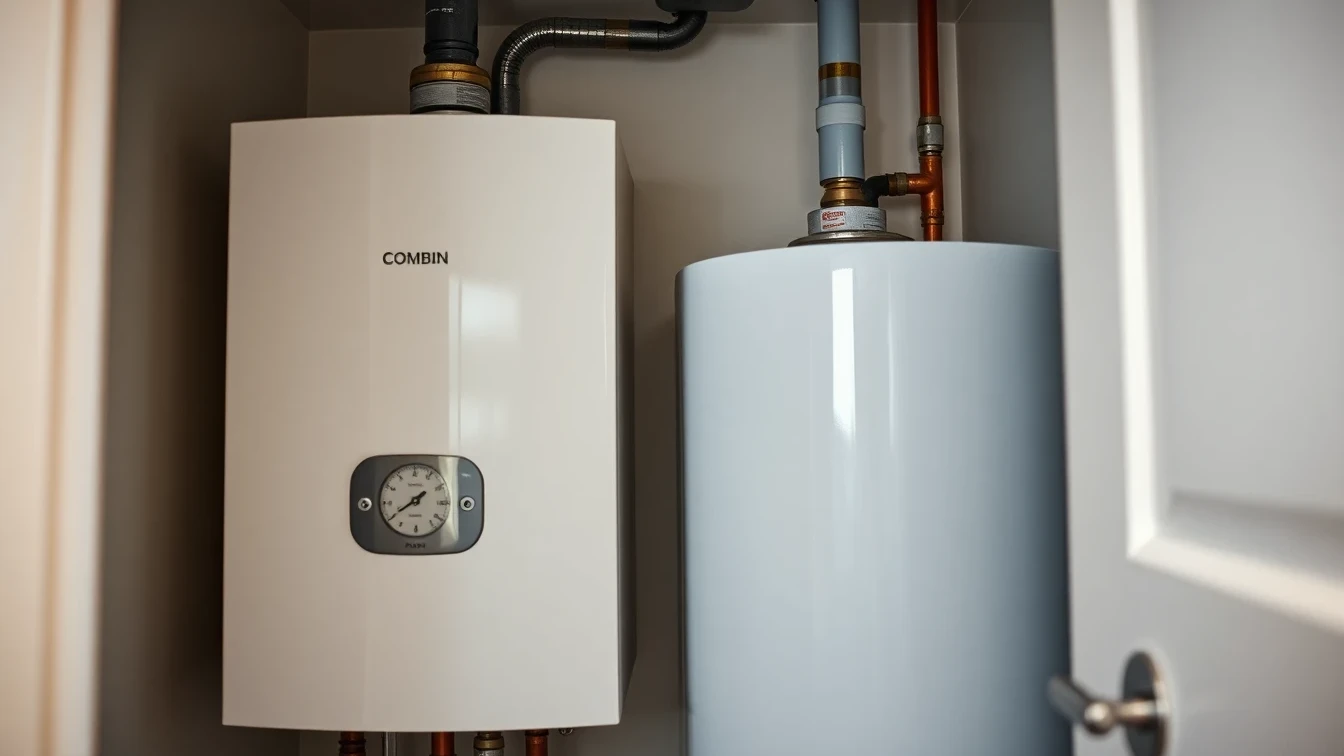
If your boiler is tired or your hot water is poor, a replacement can feel like a big decision. There are several types of system to choose from. The right one depends on your home and the way your household uses hot water.
A system that is too small leaves you short of hot water. A system that is too large costs more to buy and to run than it needs to. This guide explains the main options, so you can talk to an installer with confidence.
The Main Types of Hot Water System
Most UK homes use one of three setups. Each works in a different way and suits a different kind of property. First, let us look at the combi boiler.
Combi boilers
A combination boiler heats water straight from the mains when you open a hot tap. As a result, you do not need a hot water cylinder or a cold water tank in the loft. The boiler stops heating when the tap closes.
Combi boilers suit smaller homes, flats and terraced houses where space is tight. Hot water arrives on demand, and the whole system is compact. Because there is no loft tank, there is nothing up there to freeze in winter.
However, a combi has limits. Flow can drop when two taps or showers run together, and a home with more than one bathroom may struggle. Performance also depends on the mains pressure coming into the house. In addition, there is no stored hot water, so a breakdown means no hot water until the boiler is repaired. If that happens, our team can help with boiler repair at any time of day or night.
System boilers
A system boiler works with a separate hot water cylinder, usually in an airing cupboard. The boiler heats the water and the cylinder stores it until you need it. You do not need a cold water tank in the loft.
This setup suits larger homes and busy households. Several taps and showers can run at once without the flow falling away. Stored hot water also gives you a reserve, and the cylinder can often work with solar thermal panels.
On the other hand, you need room for the cylinder. Once you use up the stored water, you must wait for it to reheat. The cylinder also loses a little heat over time, even when it is well insulated.
Regular boilers with vented cylinders
Regular boilers are also called heat-only boilers. They work with a hot water cylinder and a cold water tank in the loft. Many older Norfolk homes still have this traditional layout.
The loft tank feeds the cylinder by gravity. Therefore, the pressure at your taps depends on how high the tank sits above them. Showers often need a pump to feel strong enough.
This system can be the easiest like-for-like swap in an older house, because it fits the existing pipework. It also copes with low mains pressure. The downsides are space, since you need a boiler, a cylinder and a tank, and the risk of the loft tank freezing in a cold spell.
Unvented Hot Water Cylinders
An unvented cylinder connects directly to the mains supply. It delivers hot water at mains pressure without a loft tank. As a result, showers and taps tend to feel strong throughout the house.
You can pair one with a system boiler or a regular boiler. Larger homes with several bathrooms often benefit most. However, unvented cylinders are more complex than vented ones. They need correct installation and regular checks, so ask any installer to explain what they are qualified to fit.
Your incoming mains pressure also matters. If it is weak, an unvented cylinder will not perform at its best. A good installer will test the pressure and flow before recommending one.
Which System Suits Your Home?
Start with the size of your home and the number of bathrooms. A flat or small house with one bathroom usually suits a combi. A larger family home with two or more bathrooms usually suits a system boiler with a cylinder.
An older property with an existing regular system may be best served by a like-for-like replacement. Changing to a combi can mean major pipework alterations. For example, you may need to remove the loft tank and reroute pipes, so weigh the extra work against the benefits.
Things to Think About in Norfolk
Water pressure varies from street to street. If your mains pressure is low, a combi or an unvented cylinder may disappoint. Ask your installer to measure it before you decide.
Many homes around Great Yarmouth are older, with original pipework layouts. In these houses, a simple swap is sometimes more practical than a full redesign. Your installer can survey the pipework and explain what each option involves.
Hard water is also worth a thought. Scale builds up inside boilers and cylinders over time and can reduce performance. Meanwhile, a water softener or scale reducer may protect your system, so ask about it when you plan the work.
Efficiency and Heat Pumps
Modern boilers recover more heat from their flue gases than older models did. Consequently, replacing a very old boiler can lower running costs. The saving depends on your home, your controls and the way you use heat.
Heat pumps are another option for some homes. They work best in well-insulated properties with underfloor heating or large radiators. They also need a suitable hot water cylinder. If your home has solid walls, poor insulation and small radiators, you may need other improvements first.
Grants and schemes change over time. Therefore, check the current government guidance before you rely on any funding. We are happy to talk through whether a heat pump suits your property.
Choosing the Right Size
Boiler output is measured in kilowatts. The right size depends on your radiators, your bathrooms and how well the house holds heat. For instance, a small flat needs far less output than a large detached house.
Oversizing wastes energy. Undersizing leaves you cold, with too little hot water. For that reason, ask your installer to carry out a heat loss calculation instead of guessing from the old boiler.
What to Look for in an Installer
First, ask whether the installer is on the Gas Safe Register before any gas work begins. The Gas Safe Register lets you check an engineer by entering the licence number from their ID card. You can then see their photo and the work they are qualified to do.
Next, ask for a written quote that sets out the work in full. Check what warranty comes with both the boiler and the installation. Finally, ask how the installer will handle the flue, the pipework and any electrical changes.
Be wary of a quote that looks too good to be true. A boiler installation involves gas, water and electrical work, and cutting corners can be dangerous. If you also have a leak or an old cylinder to deal with, ask about water heater service options at the same visit.
Ready to Talk It Through?
There is no single best answer. The right system depends on your property, your household and your existing pipework. We are local plumbers covering Great Yarmouth and nearby Norfolk, and we can give you honest advice on each option.
Use our online quote form to describe your home and what you need. We will talk you through the choices without pressure. Our 24/7 emergency service is there if your hot water fails before then.
More plumbing guides
These guides cover related ground. However, each one answers a different question, so read the ones that match your problem: 5 Signs You Need Drain Cleaning, Prevent Frozen Pipes This Winter and Who Fixes a Blocked Drain or Sewer in Norfolk? A Guide. Because they share the same simple advice, you can move between them easily.
These guides cover related ground. However, each one answers a different question, so read the ones that match your problem: Burst Pipe: What to Do in the First Hour in Your Home, Hard Water in Great Yarmouth: Boilers and Heaters Guide and Annual Boiler Service and Gas Safe: What You Need to Know. Because they share the same simple advice, you can move between them easily.
These guides cover related ground. However, each one answers a different question, so read the ones that match your problem: What Not to Flush: Wipes, Fat and Blocked Drains and How to Spot a Hidden Water Leak at Home Early. Because they share the same simple advice, you can move between them easily.
Plumbing help near you
We cover Great Yarmouth and nearby Norfolk, so help is close by. For example, we can help with water heater service in Acle, water heater service in Lowestoft, water heater service in Martham and water heater service in Hopton-on-Sea. Each page explains how the service works in that town.
However, the same advice applies across the area. If you live nearby, see boiler repair in Stalham, boiler repair in Beccles, boiler repair in Great Yarmouth or boiler repair in Gorleston-on-Sea. Because we quote before any work starts, you can compare the options with no pressure.