
Prevent Frozen Pipes This Winter
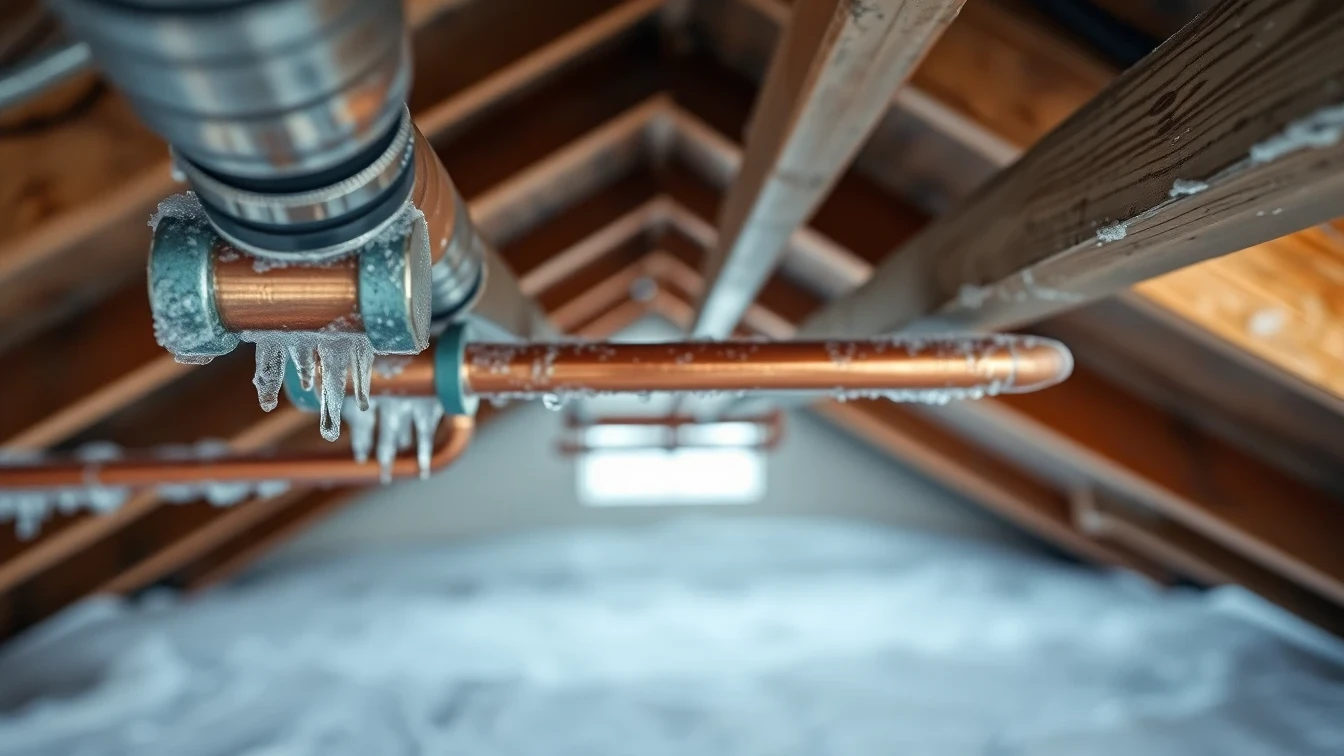
Winter on the Norfolk coast can be harsh. Cold winds blow in off the North Sea, and frozen pipes are one of the most common plumbing problems between November and March. A burst pipe can cause serious water damage, so prevention is always better than cure.
This guide explains how to keep your pipes safe. The advice suits homes in Great Yarmouth and the surrounding area.
Why Frozen Pipes Are a Risk Near the Coast
Coastal weather brings low temperatures and strong wind together. Wind chill makes exposed pipes lose heat faster, especially in unheated spaces. As a result, pipes in lofts, garages and outside walls are the first to suffer.
Older properties are often more exposed. Many were built long before modern insulation was common. Therefore pipes in lofts and against exterior walls may have little protection from the cold.
Water expands when it freezes. This puts pressure on the pipe walls, and pipes of any material can fail. However, the split usually stays hidden until the ice thaws and water starts to flow again.
Eight Practical Steps to Prevent Frozen Pipes
1. Insulate your pipes
Pipe lagging is easy to fit and gives good protection. Foam insulation is sold at most hardware shops. Focus on pipes in lofts, garages, outbuildings and unheated rooms. Check under the kitchen sink too, especially if it sits against an outside wall.
Leave no gaps in the lagging. Even a short bare section can let ice form, so fit each piece snugly and cover the bends and joints.
2. Keep some heating on
If you go away in winter, do not switch the heating off completely. Set the thermostat to a low background temperature so warmth keeps moving through the house. Check your boiler or thermostat manual for the advised setting.
Many modern controls have a frost protection mode. If yours does, use it. It starts the heating automatically when the temperature drops too low.
3. Fix dripping taps
A dripping tap looks harmless. In freezing weather, however, the slow trickle can freeze and block the pipe. Get dripping taps repaired before winter arrives.
4. Know where your stopcock is
If a pipe bursts, you need to shut off the water fast. The internal stopcock is often under the kitchen sink or in a downstairs cupboard. Find it, reach it and turn it now, before an emergency.
Stopcocks that have not moved for years can seize up. If yours is stiff, ask a plumber to look at it. That way you will not discover the problem while water is pouring out.
5. Let warmth reach the loft on the coldest nights
On nights forecast to be well below zero, some people leave the loft hatch slightly open. This lets a little warm air rise into the loft. In addition, good insulation on the pipes means they stay protected whichever way you choose.
6. Keep cold air out
Check for draughts around windows, doors and the points where pipes enter your home. Seal gaps with a suitable draught excluder or filler. Cold air blowing straight onto a pipe helps ice form quickly.
7. Open the cupboard doors under sinks
On very cold nights, open the cupboard doors under kitchen and bathroom sinks. Warm air from the room can then reach the pipes. This matters most when the sink sits on an external wall.
8. Drain outdoor taps and hoses
Disconnect garden hoses before the first frost. If your outdoor tap has an isolation valve, turn it off and open the tap to drain the water. Outdoor taps and their supply pipes freeze easily because they are so exposed.
What to Do If Your Pipes Freeze
If you turn on a tap and nothing comes out, you may have a frozen pipe. Stay calm and work through these steps. First, turn off the water at the stopcock. This limits the damage if the pipe has already split.
Next, open the affected tap so melting ice has somewhere to go. Then warm the pipe gently with a hairdryer on a low setting, a hot water bottle or warm towels. Start at the tap end and work back along the pipe. Never use a blowtorch or naked flame.
Finally, check the pipe for cracks or splits once it thaws. Even a small crack will leak when the pressure returns. Keep electrical equipment away from any water while you work.
If you find a leak, or cannot trace the frozen section, request a callback online straight away. Our leak repair service covers Great Yarmouth, and we offer a 24/7 emergency service for burst pipes.
When a Frozen Pipe Causes Bigger Problems
Sometimes a frozen pipe does more than crack. It can split wide open and release a lot of water in a short time. Ceilings, floors, walls and furniture may all suffer.
If freezing has damaged your pipework more than once, a simple patch may not be enough. In some cases, repiping the affected sections is the sensible long-term answer. A plumber can look at the age and condition of your pipes and advise you honestly.
Preparing a Holiday Home or Rental
Many properties along the Norfolk coast are holiday lets or second homes. They face the highest risk in winter because they can sit empty for weeks with no heating. A small leak in an empty house can run for a long time before anyone notices.
If you own a property like this, consider a few extra precautions:
- Fit a smart thermostat so you can control the heating remotely.
- Ask a neighbour or property manager to check the house during cold spells.
- Think about draining the water system if the property will be empty all winter.
- Read your buildings insurance wording carefully to see how it treats burst pipes.
Get Your Plumbing Winter-Ready
Prevention takes little effort compared with a repair. If you would like a professional to check your pipes, insulation and heating before the cold arrives, we are happy to help. Our local plumbers cover Great Yarmouth and nearby Norfolk.
Use our online quote form to arrange a winter plumbing check. We would rather help you prepare for winter than deal with the damage afterwards.
More plumbing guides
These guides cover related ground. However, each one answers a different question, so read the ones that match your problem: 5 Signs You Need Drain Cleaning, Guide to Choosing a Water Heater and Who Fixes a Blocked Drain or Sewer in Norfolk? A Guide. Because they share the same simple advice, you can move between them easily.
These guides cover related ground. However, each one answers a different question, so read the ones that match your problem: Burst Pipe: What to Do in the First Hour in Your Home, Hard Water in Great Yarmouth: Boilers and Heaters Guide and Annual Boiler Service and Gas Safe: What You Need to Know. Because they share the same simple advice, you can move between them easily.
These guides cover related ground. However, each one answers a different question, so read the ones that match your problem: What Not to Flush: Wipes, Fat and Blocked Drains and How to Spot a Hidden Water Leak at Home Early. Because they share the same simple advice, you can move between them easily.
Plumbing help near you
We cover Great Yarmouth and nearby Norfolk, so help is close by. For example, we can help with leak repair in Bradwell, leak repair in Hemsby, leak repair in Belton and leak repair in Acle. Each page explains how the service works in that town.
However, the same advice applies across the area. If you live nearby, see repiping in Lowestoft, repiping in Martham, repiping in Hopton-on-Sea or repiping in Stalham. Because we quote before any work starts, you can compare the options with no pressure.